Learning Journal - Week 2
During this past week at CSUMB, I had learned quite a bit of stuff. To begin, I'd like to focus for a moment on some study skills I feel strong at and some study skills I feel weak in, based on how I've felt these past few weeks so far.
Study Strengths
Maintaining a schedule:
One of the good habits I feel like I've picked up is maintaining a schedule and planning out my days ahead. This has been my first time formally using a schedule where I take a moment to see all of my upcoming assignments and plot out in my calendar program what assignments I will do at what times and for how long. It's been helping me quite a bit plan out and make sure I have enough time for everything I need done.
Reading:
I generally feel that I am a fast and efficient reader. I've been able to read quite quickly and the information that I read I am usually able to retain quite well. I feel like I am able to extract the main idea of a writing and also gather important details rather quickly.
Taking Notes:
Whenever needed, I do take notes. I keep them all well organized digitally and I know where everything is located. I've made it a habit to take extra time to really grasp certain concepts, and I don't hesitate to grab the digital pen and tablet to draw something out or write out a topic to ensure I truly understand it. I find that by writing specific details it is much easier for me to retain.
Study Weaknesses
Where to study:
One of the biggest things I feel I need to work on is finding a specific area to study. I know that generally it is a bad idea to combine my area of study with my area of hobbies, such as in my bedroom, where it is easy to get distracted. I've tried to make it a habit to occasionally use my laptop strictly for study and bring it to a different room, and that has helped me on a few occasions, but I definitely need to spend some time designating a true study space.
When to study:
Just as important as my place of study is my time of study. At some points, working around a work schedule could leave certain assignments after late work hours -- which are not times in which I am well rested. By keeping a schedule I am able to help prepare for how much study time I will need, but I can definitely do more to improve the specific times I choose to do my studying.
The SQ3R Method:
This is a concept I just recently learned about through one of my courses, and it is something I am not quite familiar with so I will use this method to my advantage. It breaks apart studying into a few different sections: Survey, Question, Read, Recite, Review. The process involves getting an overall picture of what I will be studying before I actually do any studying, much like planning out my route. The question phase will involve asking questions to myself as I do my studies to help me make sense of the concepts I'm looking over. If a question comes up while I'm reading something for example, it will be in my best interest to write it down and answer it later which will help me retain that information. Reading is the next step and it involves actively processing the information I'm looking over and not just skimming over everything. That's also when I can recite the information periodically and recall what it is that I had just read. And finally is review, the final step where I can review what I aimed to achieve and can even involve rereading and answering some of my initial questions.
To better help me with my time management, I also have a template of an activity log provided by my school. This following week I will be sure to try it out and see how it helps me. It features times for each day starting from 7am all the way down to midnight.

--- EDIT (9/26/2025 @ 12:34AM)
Here is also a screenshot of an example week of how I choose to plan out my school weeks. Every Wednesday, I begin the day by planning out what specific assignments I will complete at what time on which days:

- - - - - - - - -
During this week's learning I also spent time learning about Project Management, and even got some practice with my team with project management. Specifically, we had to make a group resume and collaborate on who was going to achieve what part of the resume.Some of the skills I used toward this training exercise were gathered from some of the learning resources my class provided this last week.
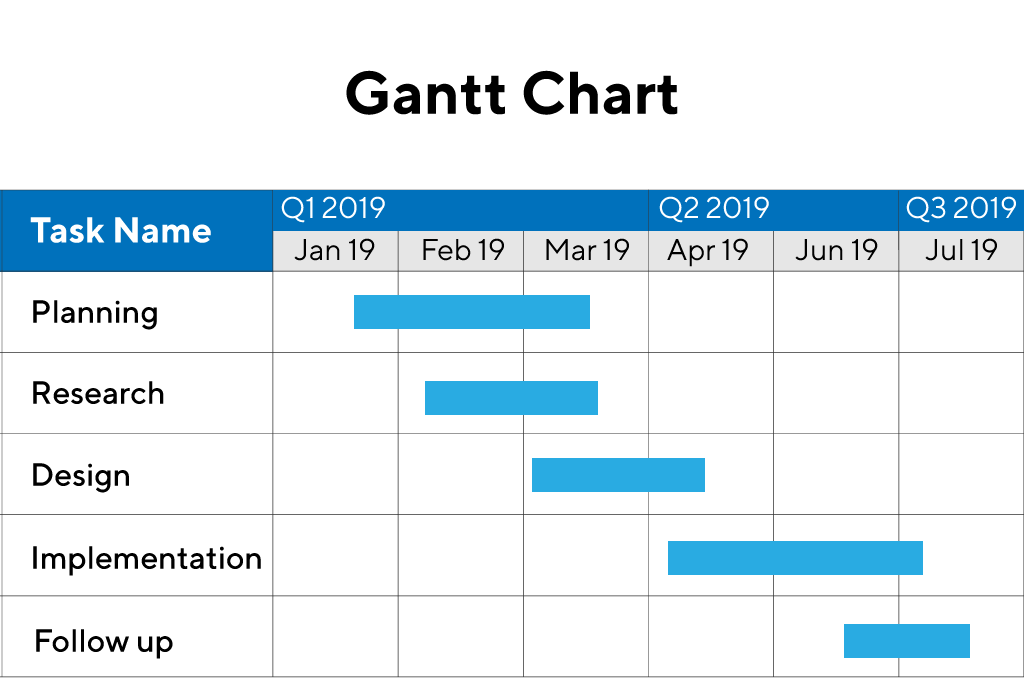
I got to learn how projects were split apart from a 365 Financial Analyst lesson video. The video went over who contributes to a project and the necessary team and steps that go into achieving a project. The lecture also went over why we have projects to begin with, such as customer requests, social needs, or business needs. One of the more crucial roles is the project manager who helps commit to their position and deliver their goals they must achieve during this project. They take responsibility of taking immediate action in case something needs to be addressed or any of the team members need assistance. There were also a couple of videos from Online PM Courses which covered creating a Work Breakdown Structure and a Gantt chart. Both of these tools are heavily relied on globally for project management. The Gantt Chart is a 2D graph where the X-Axis represents time and the Y-Axis represents the activities and tasks. The activities and tasks are horizontal bars, showing how much time they take up, and typically following activities and tasks will start after the end of the task before. That isn't always the case, however, as sometimes multiple tasks can run at the same time as each other. There may also be a symbol on the graph that indicates a milestone.
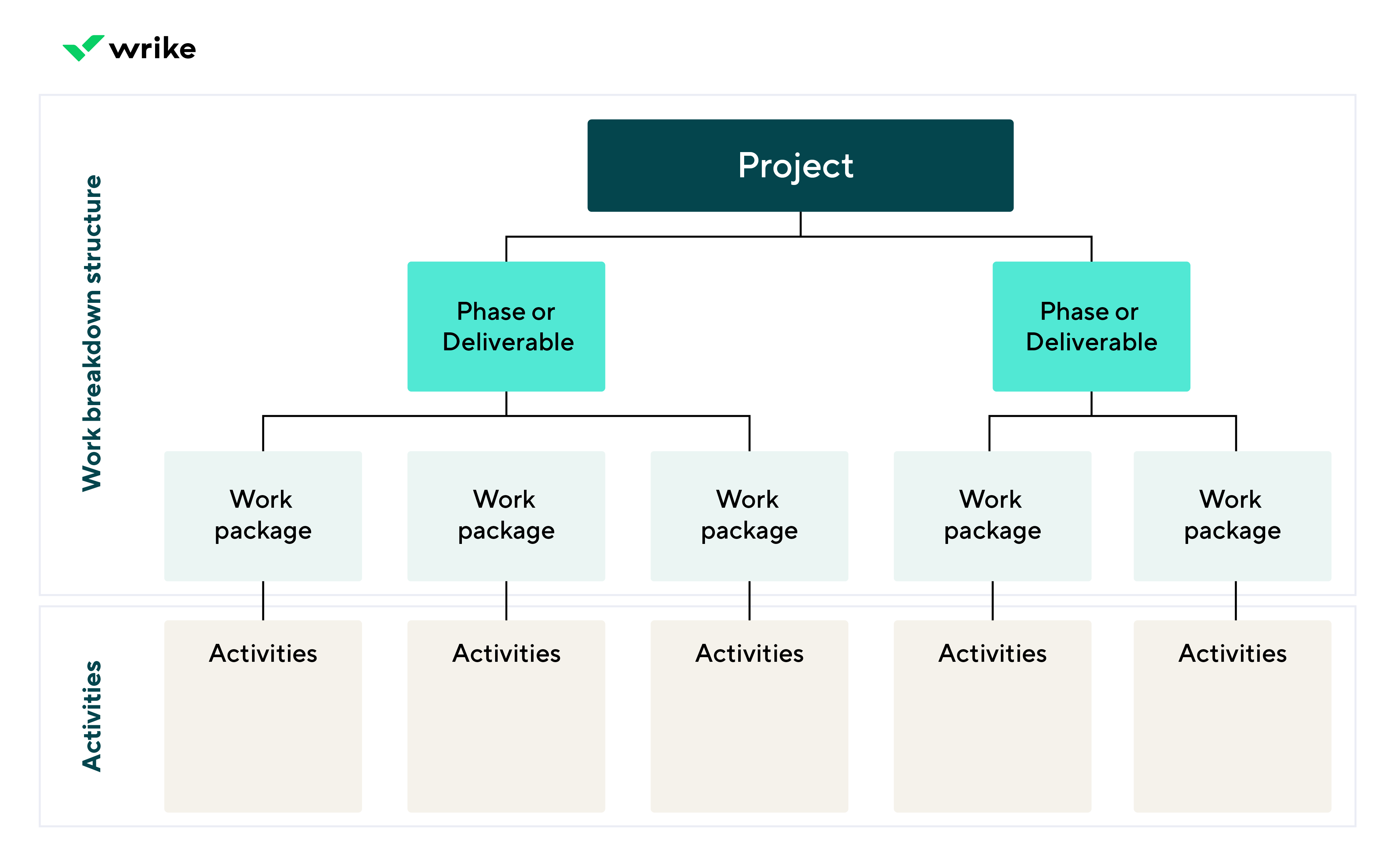
When making a Gantt Chart, it also does help to have a Work Breakdown Structure already set up. a Work Breakdown Structure separates tasks to "products" and "deliverables." Deliverables are products/things, processes, and events/results -- essentially any sort of tangible result. These deliverables are all set up in a hierarchy where the top level (Level 0) is the project itself. The next level below it is referred to as Level 1 and we set up our deliverable categories in this level. As we go further down the levels, we break down larger goals/deliverables more and more into smaller tasks that build up to achieve the large overall goal + project. Anything that needs to get done in the project, even including project management, should be placed in this breakdown structure to ensure it gets completed.
Capstone Preview
All of these project management tools are going to come in handy when it comes time for the Capstone projects. I've reviewed the Capstone from the Summer of 2024 and a few presentations stuck out to me.
One such project was "dKOMP" which was a program that helped project managers efficiently keep track of their team's project using "Elliott Jaques Requisite Organization methodology." The user interface of this project looked very professional and it even allowed for a Microsoft account login for a more streamlined access. It relied heavily on Microsoft's business tools implementation, which may be a weak point for some organizations using other tools, but other than that it was a very well implemented project.
I also saw a short video game called "A Bird's Song" which was made to introduce a bird that went extinct to a wide audience. I was able to see the way that the responsibilities were broken apart and it really showed how important each team member's role was. The graphics and art implementation was actually very neat, I really enjoyed the UI design. I could only imagine the amount of effort that was put in to make an interactive experience with a team of differing experience levels. Over time, I'm sure that as the members got more used to the Unity engine that they would have the ability to flesh it out even more and improve on the feel.
One of the other apps I saw was "DriveDiary" which is a neat web-app that helps people track their vehicle maintenance and gas usage. The user interface looks very professional and it helps people easily track their expenses and provide reminders when it is time to get their car worked on. Overall, it has a lot of neat tools used with it, such as React and SQL. It would eventually be interesting to see something like that implemented as a mobile solution with push notifications and such!
Hi Jessica, nice to meet you! I enjoyed reading your learning journal and your study styles. After comparing your study style with mine, I have notice a specific similarity we share which is keeping a schedule to know and plan our times for study. I also keep a schedule as well to help me stay up to date with upcoming assignments I need to complete during the week. I find physical schedules a lot more helpful rather than digital schedulers (which are easier to forget or miss).
ReplyDeleteHi Christian,
ReplyDeleteI really enjoyed reading your post. One thing that I can really relate to is finding a specific study area where you can effectively get work done and not get distracted. I have started going to the library during my study times and I have seen it help me a lot with being able to focus on my studies and not get distracted.